
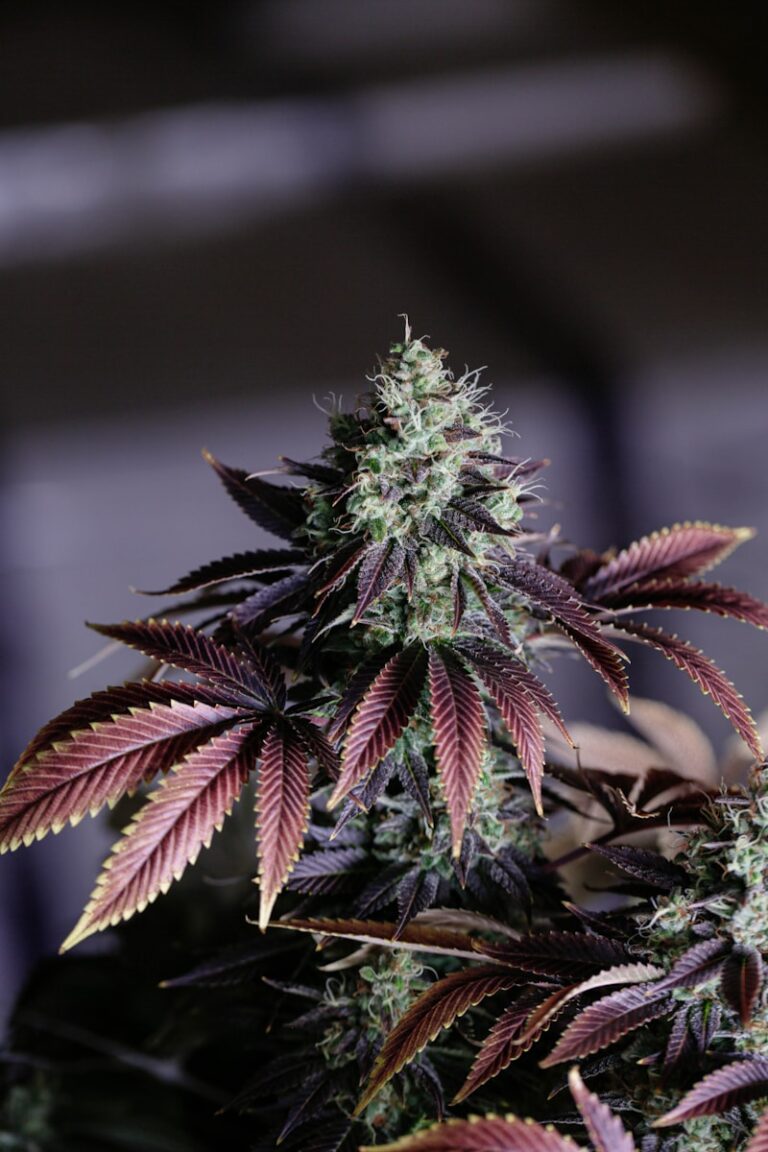
green and brown plant in close up photography

Building Community and Understanding in a Changing Cannabis Landscape With Weed in Madrid

Join us on this journey of exploration, innovation, and community building as we navigate the dynamic landscape of the cannabis industry together. Around the world, cannabis systems are evolving in different ways—and weed in Madrid offers a compelling example of how community, regulation, and responsibility intersect. Madrid’s approach is not driven by retail expansion or rapid commercialization. Instead, it reflects a measured, community-oriented model that prioritizes private access, legal boundaries, and collective accountability. For industry professionals, advocates, and innovators, understanding this ecosystem provides valuable insight into how cannabis can function outside traditional commercial frameworks. Madrid’s Cannabis Environment: A Community-Based Model Cannabis in Madrid exists within Spain’s broader policy of decriminalized private use. While public consumption and commercial sales remain prohibited, private cannabis social clubs have emerged as a structured, community-driven solution. These clubs operate as non-profit associations, emphasizing: Responsible access rather than open sales Member education and shared standards Compliance with local and national regulations Community oversight instead of commercial pressure This model has shaped a cannabis culture that values participation and accountability—principles that resonate across the global cannabis industry. Innovation Through Constraint Madrid demonstrates an important industry lesson: innovation does not always come from scale. In highly regulated environments, creativity often emerges through constraint. Clubs and stakeholders have adapted by: Developing internal governance systems Prioritizing quality and traceability Encouraging informed, moderate use Fostering trust within defined communities For businesses and organizations watching global cannabis trends, Madrid shows how alternative access models can remain viable while aligning with public policy goals. Why Weed in Madrid Matters to the Industry As cannabis markets mature, not every jurisdiction will adopt a retail-first approach. Cooperative, association-based, and community-led models may play a larger role—especially in regions prioritizing public health and social cohesion. Madrid’s experience offers insight for: Policymakers exploring non-commercial frameworks Advocates seeking balanced reform Entrepreneurs preparing for hybrid market models Communities aiming to integrate cannabis responsibly Understanding weed in Madrid helps broaden the industry conversation beyond a single regulatory template. Community as the Foundation At the core of Madrid’s cannabis ecosystem is community. Access is built on relationships, shared responsibility, and mutual respect—not anonymity or impulse transactions. This reinforces a central truth for the global cannabis industry: sustainable growth depends on trust. When stakeholders—users, organizers, policymakers, and educators—work together, cannabis systems become safer, more transparent, and more resilient. Looking Forward Together The future of cannabis will not be shaped by one country or one model alone. It will emerge through shared learning, cross-border dialogue, and thoughtful experimentation. Madrid contributes an important chapter to that story—one rooted in cooperation rather than competition. Together, by studying diverse systems like Madrid’s, we can build a brighter, more connected future for all stakeholders in this evolving industry—one that balances innovation with responsibility and growth with community.
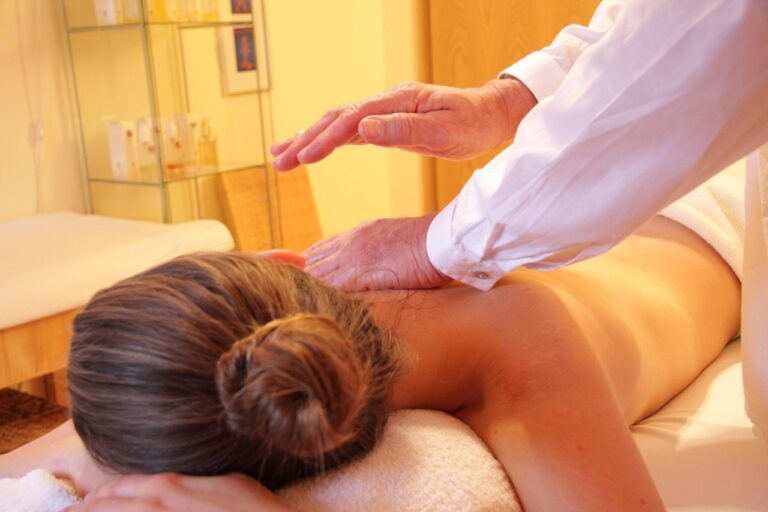
wellness, massage

How Massage Therapists Are Using CBD to Relieve Muscle Fatigue

A New Level of Recovery In the world of massage therapy, one of the most common client complaints is muscle fatigue — that deep, lingering soreness that comes after intense workouts, long hours of physical labor, or even chronic tension. To enhance recovery and help clients bounce back faster, massage therapists are turning to a natural solution: CBD-infused topicals. CBD, or cannabidiol, is a non-psychoactive compound derived from hemp that has gained widespread recognition for its ability to soothe inflammation, ease tension, and promote overall balance in the body. When combined with massage therapy, it offers a powerful one-two punch for muscle relief. Understanding Muscle Fatigue Muscle fatigue occurs when muscles are overworked, leading to stiffness, soreness, and reduced performance. This can happen after exercise, repetitive strain, or even prolonged sitting. The root causes often include: Lactic acid buildup from physical exertion Microtears in muscle fibers following intense activity Reduced blood flow to overused areas Inflammation and oxidative stress in muscle tissue Massage therapy alone helps by improving circulation, promoting lymphatic drainage, and releasing tight fascia. When combined with CBD, these effects can be amplified. Why Massage Therapists Use CBD for Fatigue 1. Natural Anti-Inflammatory Properties CBD interacts with the body’s endocannabinoid system — a network of receptors that help regulate pain, inflammation, and recovery. By calming inflammation in muscle tissues, CBD allows therapists to work more effectively on sore areas without aggravating discomfort. 2. Faster Muscle Recovery Many therapists report that clients recover faster from intense exercise when CBD topicals are used during or after massage sessions. CBD helps ease microtears and supports healthy muscle repair, reducing the downtime between workouts. 3. Deep Relaxation and Tension Release Muscle fatigue isn’t only physical — it often comes with stress and tightness that affect the nervous system. CBD’s calming properties can enhance the parasympathetic “rest and restore” response, helping clients relax more deeply during a session. 4. Reduced Post-Massage Soreness Even after a deep tissue session, some clients experience temporary soreness as their muscles adjust. CBD topicals can minimize that post-massage ache by soothing inflammation and reducing oxidative stress in the affected muscles. How CBD Is Applied in Massage Therapy CBD-Infused Massage Oil Therapists often blend CBD oil with carrier oils like jojoba or coconut to perform a full-body massage that delivers consistent, light absorption throughout the session. Spot Treatments For targeted fatigue — such as in the legs, shoulders, or lower back — a stronger CBD cream or balm may be applied directly to the affected muscle groups to provide concentrated relief. Sports and Recovery Sessions Many sports massage specialists use CBD topicals for athletes recovering from strenuous training. When used alongside stretching and muscle compression techniques, CBD can speed up muscle relaxation and improve flexibility. Therapist and Client Benefits For clients: Quicker recovery, less soreness, improved flexibility, and deeper relaxation. For therapists: Easier muscle manipulation, less resistance during deep work, and even relief for their own hands and wrists after multiple sessions. Some therapists also note that clients fall…
How to obtain a license to open a dispensary in California

How to obtain a license to open a dispensary in California

Opening a cannabis dispensary in California requires obtaining the necessary licenses and permits from both state and local authorities. Here are the key steps to obtain a dispensary license: 1. Register Your Business Register your business with the California Secretary of State. This is a required first step before applying for a dispensary license. 2. Apply for a State Dispensary License Apply for a cannabis business license through the California Department of Cannabis Control (DCC), the state agency that regulates commercial cannabis activities. The DCC issues two types of retail licenses: Adult-Use Retail (A-License) and Medicinal Retail (M-License). Your application must include details like your business plan, standard operating procedures, ownership information, and compliance with regulations. Be prepared for a lengthy licensing process that can take several months to over a year. 3. Obtain Local Approval In addition to the state license, you must also obtain approval from the local jurisdiction or city where your dispensary will be located. Local governments often have their own zoning restrictions and permitting requirements for cannabis businesses. You may need to present your business plan at a public hearing to convince local officials that your dispensary will benefit the community. 4. Comply with Regulations Dispensaries must comply with various state and federal regulations, including the Uniform Controlled Substances Act, the California Code of Regulations, and the Controlled Substances Act. Key requirements include maintaining proper security, tracking and tracing inventory, and adhering to restrictions on sales and purchasing. 5. Secure Financing and Insurance Opening a dispensary requires significant upfront capital, with estimates ranging from $80,000 to $250,000. Dispensaries also need to obtain various insurance policies, such as general liability, product liability, and workers' compensation. The search results highlight the complex and competitive nature of obtaining a dispensary license in California. Careful planning, thorough preparation, and navigating the regulatory landscape are essential for successfully opening a cannabis dispensary in the state. Great resources:https://cannabis.lacity.gov/licensing/licensing-information/apply-licensehttps://flowhub.com/learn/how-to-open-a-dispensary-in-california