
Curious about the booming CBD industry? Wondering about its market size, key players, and major products?
In this comprehensive article, we will explore the current state of the CBD industry, its projected growth, and emerging trends.
From the impact of legalization to the role of technology, we will cover it all. Get ready to dive into the world of CBD and discover the potential challenges and opportunities that lie ahead.
What is the CBD Industry?
The CBD industry refers to the market that deals with products containing cannabidiol (CBD), a non-psychoactive compound derived from the cannabis plant. The industry has been witnessing significant growth due to the increasing consumer interest in natural health alternatives and wellness products.
Consumers are turning to CBD products for various purposes, such as managing anxiety, reducing inflammation, alleviating pain, and improving sleep. Some of the most popular CBD products include CBD oils, tinctures, edibles, topicals, and capsules. People are increasingly opting for CBD-infused skincare and beauty products, as well as pet treats for their furry companions. Factors like the legalization of hemp-derived CBD, changing regulations, and the growing awareness about the potential health benefits of CBD are driving the rapid expansion of the market.
What is the Current State of the CBD Industry?
The current state of the CBD industry presents a landscape characterized by intense competition, evolving regulations, and shifting consumer preferences. Companies are striving to establish market dominance and comply with regulatory standards while adapting to the dynamic nature of the industry.
In this highly competitive environment, CBD companies are investing heavily in research and development to differentiate their products and meet the changing demands of consumers seeking wellness solutions.
Regulatory challenges, such as varying state and federal laws, add complexity to the market, requiring companies to navigate a complex legal landscape. Meanwhile, consumer trends are shifting towards transparency, quality, and sustainability, prompting companies to focus on organic and ethically sourced ingredients to meet growing consumer expectations.
What is the Market Size of the CBD Industry?
The market size of the CBD industry is influenced by various economic indicators and consumer behavior patterns. Understanding these factors is crucial for assessing the growth potential and revenue projections within the industry.
Consumer preferences play a significant role in shaping the demand for CBD products, with an increasing number of individuals seeking natural alternatives for health and wellness. Regulatory changes and evolving legislation regarding the legal status of CBD also impact market dynamics and growth opportunities.
As awareness about the potential benefits of CBD continues to rise, the industry is poised for further expansion. Market analysts project sustained revenue growth driven by diversification of product offerings, strategic collaborations, and expanding distribution channels.
What are the Key Players in the CBD Industry?
The CBD industry boasts a diverse array of key players who hold varying market shares and influence the industry’s direction. Understanding the strategies and market positioning of these players is essential for comprehending the competitive dynamics within the sector.
From established giants like Charlotte’s Web and CBDistillery to innovative newcomers such as cbdMD and Green Roads, each player brings a unique approach to the market. Charlotte’s Web, with its strong brand reputation and focus on quality, has secured a significant share, while CBDistillery’s aggressive pricing strategy appeals to cost-conscious consumers. On the other hand, cbdMD’s product innovation and Green Roads’ emphasis on transparency have helped them carve out their niches. These players collectively drive industry growth through product diversification, customer-centric initiatives, and strategic partnerships.
What are the Major Products in the CBD Industry?
The CBD industry offers a wide range of products catering to diverse consumer needs, including CBD oils, edibles, topicals like CBD creams for back pain, and more. Understanding the market segmentation and product preferences is crucial for industry stakeholders.
Through analyzing market segmentation, industry players can better tailor their offerings to meet specific consumer demands. This deep dive into consumer preferences reveals a growing interest in CBD-infused beverages, pet products, and skincare items. These trends indicate a shift towards wellness and self-care as driving forces in product development within the CBD sector. With an evolving market landscape, companies are innovating to introduce new, unique formulations to capture the attention of health-conscious consumers seeking natural remedies. This adaptability to changing trends solidifies the CBD industry’s position as a dynamic and consumer-focused market.
What is the Projected Growth of the CBD Industry?
The projected growth of the CBD industry is influenced by a myriad of factors such as increasing demand, regulatory changes, and technological advancements. Stakeholders are optimistic about the industry’s potential for expansion and revenue generation.
These positive outlooks have spurred significant investments in research and development, formulation enhancements, and market penetration strategies. As consumer awareness about the potential health benefits of CBD products continues to rise, companies are ramping up production to meet the surging demand. The relaxation of regulations in many regions is expected to further fuel market growth, leading to forecasts of exponential revenue increases over the coming years.
What are the Factors Driving the Growth of the CBD Industry?
The growth of the CBD industry is primarily driven by a combination of evolving consumer preferences, regulatory changes, and technological advancements. Understanding these key drivers is essential for predicting industry trends and capitalizing on growth opportunities.
Consumer preferences towards natural remedies and wellness products continue to push the CBD market forward, with an increasing number of individuals seeking alternative health solutions. Regulatory changes that have loosened restrictions on CBD products in many regions have opened up new avenues for market expansion. Technological advancements in extraction methods and product formulations have also played a significant role in enhancing the efficiency and effectiveness of CBD products, further fueling the industry’s growth.
What are the Potential Barriers to Growth in the CBD Industry?
Despite its promising outlook, the CBD industry faces certain barriers to growth, including regulatory uncertainties, market saturation, and competitive challenges. Overcoming these obstacles is crucial for sustainable growth and market resilience.
One of the major market challenges is the lack of clear regulations surrounding CBD products, leading to consumer confusion and hesitancy. The industry faces hurdles in terms of product quality control and standardization, as well as inconsistent state-level laws that create complexities for businesses operating across different regions. Understanding these regulatory obstacles and working towards establishing a cohesive framework will be essential for the industry’s progress. Emerging technologies and innovation in product development could offer opportunities to differentiate amidst a crowded marketplace.
What are the Emerging Trends in the CBD Industry?
The CBD industry is witnessing a wave of emerging trends that encompass product innovation, market diversification, and evolving consumer preferences. Staying abreast of these trends is essential for industry players seeking to capitalize on new opportunities.
One notable trend is the increasing adoption of CBD-infused products across various sectors, from beauty and skincare to wellness and pet care. This shift is driven by a growing acceptance of CBD for its potential health benefits and therapeutic properties. Advancements in extraction techniques and product formulations are paving the way for more effective and diverse CBD offerings in the market.
As consumer awareness about CBD continues to rise, companies are leveraging technology to enhance product transparency and traceability, thus building trust and loyalty among a more discerning customer base.
What is the Impact of Legalization on the CBD Industry?
The legalization of CBD products has had a profound impact on the industry, opening up new markets, enhancing consumer acceptance, and driving industry growth. Understanding the regulatory environment is crucial for navigating the evolving landscape of CBD regulations.
Various countries and states have adopted different regulatory frameworks surrounding the production, sale, and marketing of CBD products. This diverse regulatory landscape poses challenges and opportunities for businesses operating in the industry.
Market opportunities have expanded as CBD gains more mainstream acceptance for its potential health benefits, leading to a surge in consumer interest and demand. Consumer perceptions of CBD have shifted as more studies highlight its therapeutic properties, encouraging a shift towards natural remedies and wellness products.
Navigating the complex regulatory environment while capitalizing on market opportunities is key for businesses looking to thrive in the evolving CBD industry.
What are the Most Popular Uses of CBD Products?
CBD products are utilized for a variety of purposes, including pain management, anxiety relief, skincare, and overall wellness. Understanding consumer preferences and the popularity of various CBD applications is essential for product development and market positioning.
Consumers have shown a strong inclination towards CBD-infused products due to their perceived natural benefits and potential to address health concerns. Market demands reflect a growing interest in organic and plant-based alternatives, with CBD standing out as a favored choice. The efficacy of CBD in managing symptoms such as chronic pain and stress has contributed to its widespread acceptance among users. Brands are constantly innovating to meet customer expectations, offering a diverse range of CBD products from edibles to topical balms to meet varying needs and preferences.
What is the Role of Technology in the Growth of the CBD Industry?
Technological advancements play a pivotal role in driving the growth and innovation within the CBD industry. From extraction methods to product formulations, technology has revolutionized various aspects of CBD production and distribution.
In cultivation, sophisticated technologies like hydroponics and AI-driven monitoring systems have enhanced crop yields and quality control. Advancements in extraction techniques, such as CO2 extraction and nanotechnology, have improved efficiency and purity in obtaining CBD from hemp plants. These developments not only streamline production processes but also ensure higher potency and consistency in CBD products.
In product development, 3D printing is being explored to create customized packaging and dosage forms, catering to diverse consumer preferences and increasing market appeal.
What is the Future Outlook for the CBD Industry?
The future outlook for the CBD industry appears promising, with growth projections, market expansions, and evolving consumer behaviors shaping its trajectory. Stakeholders are optimistic about the industry’s potential for sustained growth and profitability.
Industry experts predict that the CBD market will continue to flourish as regulatory barriers ease and consumer acceptance grows. With increasing awareness of the potential health benefits of CBD products, more companies are entering the market, leading to fierce competition and product innovation. Technological advancements in extraction methods and product formulations are expected to further drive market expansion. Collaborations between CBD companies and mainstream retailers are also on the rise, indicating a shift towards normalization and widespread availability of CBD products.
What are the Predictions for Market Size and Revenue?
Market analysts predict significant growth in the market size and revenue generation for the CBD industry, driven by increasing demand, regulatory reforms, and expanding market opportunities. These projections indicate a lucrative future for industry stakeholders.
The CBD market is poised to witness exponential expansion, with revenue forecasts indicating a multi-billion-dollar industry in the near future. As more countries legalize CBD products and consumers become more aware of the health benefits, the market potential continues to soar. Companies are strategizing to capitalize on this growth by diversifying product offerings, exploring new distribution channels, and focusing on quality and innovation. With such momentum, the CBD industry is set to redefine the wellness sector and attract a diverse range of investors looking to tap into the burgeoning market.
What are the Potential Challenges and Opportunities for the CBD Industry?
The CBD industry faces a mix of challenges and opportunities, including market volatility, regulatory hurdles, and competitive pressures. Recognizing these dynamics is crucial for leveraging investment opportunities and maximizing market potential.
Navigating the ever-changing regulatory landscape can be daunting for investors looking to capitalize on the expanding CBD market. Companies must stay informed and proactive to ensure compliance with shifting regulations, which could vary significantly across different regions.
On the other hand, the growing acceptance and demand for CBD products present a promising outlook for businesses. Diversification of product offerings and strategic partnerships can help firms stand out in a crowded market, driving growth and profitability in this dynamic industry.
Frequently Asked Questions
What is the growth projection for the CBD industry?
According to market research, the global CBD industry is projected to reach a value of $23.6 billion by 2025.
What factors are driving the growth of the CBD industry?
The increasing acceptance and legalization of CBD for medical and recreational use, along with the growing demand for natural and alternative health remedies, are major factors driving the growth of the CBD industry.
What are some potential challenges that could impact the growth of the CBD industry?
Some potential challenges that could impact the growth of the CBD industry include regulatory restrictions and uncertainty, supply chain and quality control issues, and competition from other alternative health products.
What are the projected market trends for the CBD industry?
Market trends for the CBD industry include the rising popularity of CBD-infused products, expansion into new consumer markets, and innovation in delivery methods and product formulations.
What regions are expected to see the highest growth in the CBD industry?
North America is currently the largest market for CBD products, but Asia Pacific is projected to see the highest growth in the coming years due to increasing awareness and acceptance of CBD in countries like China and Japan.
What impact does consumer perception have on the growth of the CBD industry?
Consumer perception and attitudes towards CBD play a significant role in the growth of the industry. As more people become educated about the potential benefits of CBD, the demand for products is expected to continue to rise.
- Building Community and Understanding in a Changing Cannabis Landscape With Weed in Madrid

Join us on this journey of exploration, innovation, and community building as we navigate the dynamic landscape of the cannabis industry together. Around the world, cannabis systems are evolving in different ways—and weed in Madrid offers a compelling example of how community, regulation, and responsibility intersect.
Madrid’s approach is not driven by retail expansion or rapid commercialization. Instead, it reflects a measured, community-oriented model that prioritizes private access, legal boundaries, and collective accountability. For industry professionals, advocates, and innovators, understanding this ecosystem provides valuable insight into how cannabis can function outside traditional commercial frameworks.
Madrid’s Cannabis Environment: A Community-Based Model
Cannabis in Madrid exists within Spain’s broader policy of decriminalized private use. While public consumption and commercial sales remain prohibited, private cannabis social clubs have emerged as a structured, community-driven solution.
These clubs operate as non-profit associations, emphasizing:
- Responsible access rather than open sales
- Member education and shared standards
- Compliance with local and national regulations
- Community oversight instead of commercial pressure
This model has shaped a cannabis culture that values participation and accountability—principles that resonate across the global cannabis industry.
Innovation Through Constraint

Madrid demonstrates an important industry lesson: innovation does not always come from scale. In highly regulated environments, creativity often emerges through constraint.
Clubs and stakeholders have adapted by:
- Developing internal governance systems
- Prioritizing quality and traceability
- Encouraging informed, moderate use
- Fostering trust within defined communities
For businesses and organizations watching global cannabis trends, Madrid shows how alternative access models can remain viable while aligning with public policy goals.
Why Weed in Madrid Matters to the Industry
As cannabis markets mature, not every jurisdiction will adopt a retail-first approach. Cooperative, association-based, and community-led models may play a larger role—especially in regions prioritizing public health and social cohesion.
Madrid’s experience offers insight for:
- Policymakers exploring non-commercial frameworks
- Advocates seeking balanced reform
- Entrepreneurs preparing for hybrid market models
- Communities aiming to integrate cannabis responsibly
Understanding weed in Madrid helps broaden the industry conversation beyond a single regulatory template.
Community as the Foundation
At the core of Madrid’s cannabis ecosystem is community. Access is built on relationships, shared responsibility, and mutual respect—not anonymity or impulse transactions.
This reinforces a central truth for the global cannabis industry: sustainable growth depends on trust. When stakeholders—users, organizers, policymakers, and educators—work together, cannabis systems become safer, more transparent, and more resilient.
Looking Forward Together
The future of cannabis will not be shaped by one country or one model alone. It will emerge through shared learning, cross-border dialogue, and thoughtful experimentation. Madrid contributes an important chapter to that story—one rooted in cooperation rather than competition.
Together, by studying diverse systems like Madrid’s, we can build a brighter, more connected future for all stakeholders in this evolving industry—one that balances innovation with responsibility and growth with community.
- How Massage Therapists Are Using CBD to Relieve Muscle Fatigue

A New Level of Recovery
In the world of massage therapy, one of the most common client complaints is muscle fatigue — that deep, lingering soreness that comes after intense workouts, long hours of physical labor, or even chronic tension. To enhance recovery and help clients bounce back faster, massage therapists are turning to a natural solution: CBD-infused topicals.
CBD, or cannabidiol, is a non-psychoactive compound derived from hemp that has gained widespread recognition for its ability to soothe inflammation, ease tension, and promote overall balance in the body. When combined with massage therapy, it offers a powerful one-two punch for muscle relief.
Understanding Muscle Fatigue
Muscle fatigue occurs when muscles are overworked, leading to stiffness, soreness, and reduced performance. This can happen after exercise, repetitive strain, or even prolonged sitting. The root causes often include:
- Lactic acid buildup from physical exertion
- Microtears in muscle fibers following intense activity
- Reduced blood flow to overused areas
- Inflammation and oxidative stress in muscle tissue
Massage therapy alone helps by improving circulation, promoting lymphatic drainage, and releasing tight fascia. When combined with CBD, these effects can be amplified.
Why Massage Therapists Use CBD for Fatigue
1. Natural Anti-Inflammatory Properties
CBD interacts with the body’s endocannabinoid system — a network of receptors that help regulate pain, inflammation, and recovery. By calming inflammation in muscle tissues, CBD allows therapists to work more effectively on sore areas without aggravating discomfort.
2. Faster Muscle Recovery
Many therapists report that clients recover faster from intense exercise when CBD topicals are used during or after massage sessions. CBD helps ease microtears and supports healthy muscle repair, reducing the downtime between workouts.
3. Deep Relaxation and Tension Release
Muscle fatigue isn’t only physical — it often comes with stress and tightness that affect the nervous system. CBD’s calming properties can enhance the parasympathetic “rest and restore” response, helping clients relax more deeply during a session.
4. Reduced Post-Massage Soreness
Even after a deep tissue session, some clients experience temporary soreness as their muscles adjust. CBD topicals can minimize that post-massage ache by soothing inflammation and reducing oxidative stress in the affected muscles.
How CBD Is Applied in Massage Therapy
CBD-Infused Massage Oil
Therapists often blend CBD oil with carrier oils like jojoba or coconut to perform a full-body massage that delivers consistent, light absorption throughout the session.
Spot Treatments
For targeted fatigue — such as in the legs, shoulders, or lower back — a stronger CBD cream or balm may be applied directly to the affected muscle groups to provide concentrated relief.
Sports and Recovery Sessions
Many sports massage specialists use CBD topicals for athletes recovering from strenuous training. When used alongside stretching and muscle compression techniques, CBD can speed up muscle relaxation and improve flexibility.
Therapist and Client Benefits
- For clients: Quicker recovery, less soreness, improved flexibility, and deeper relaxation.
- For therapists: Easier muscle manipulation, less resistance during deep work, and even relief for their own hands and wrists after multiple sessions.
Some therapists also note that clients fall asleep more easily during CBD sessions and report better rest afterward — a crucial component of muscle repair.
What the Early Research Suggests
While clinical research is still emerging, several studies indicate CBD’s potential to:
- Reduce exercise-induced inflammation and oxidative stress
- Support healthy sleep patterns essential for recovery
- Decrease localized pain when used topically
- Modulate the body’s natural pain signaling systems
Although more human trials are needed, the growing body of evidence supports what therapists already observe in practice — that CBD can make recovery massages more effective and restorative.
- Experts Weigh in on CBD and Massage” (American Massage Therapy Association) — about usage, benefits, and cautions in massage practice American Massage Therapy Association
- “Topical cannabidiol is well tolerated in individuals with a history of elite athletics” — a study on topical CBD’s tolerability and effects on pain in athletes pmc.ncbi.nlm.nih.gov
Safe and Professional Use
- Always use third-party tested CBD products to ensure purity and accuracy in dosage.
- Avoid applying CBD to broken or irritated skin.
- Inform clients before using CBD and gain verbal or written consent.
- Choose broad-spectrum or THC-free products to avoid psychoactive effects.
Final Thoughts
For massage therapists, CBD has become a valuable ally in addressing muscle fatigue. It helps calm inflammation, ease soreness, and enhance the overall relaxation experience for clients. For athletes, laborers, or anyone living with chronic tension, a CBD-infused massage can mean faster recovery and a noticeable improvement in how their body feels afterward.
As natural wellness continues to evolve, the combination of hands-on therapy and hemp-based healing represents the next generation of recovery care — one that blends ancient technique with modern plant science.
- Minnesota lawmakers are considering changes to the state’s marijuana legalization law
Recent News
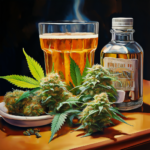
According to the search results, Minnesota lawmakers are considering several changes to the state’s new marijuana legalization law:
- THC Beverages on Tap: The new law allows the sale of THC-infused beverages, but bars and restaurants will have to choose between serving alcohol or THC products – they cannot serve both to the same customer during a visit. This is meant to prevent people from mixing alcohol and THC.
- Marijuana License Cap: The state is also considering limiting the number of marijuana business licenses it will issue, in an effort to prevent oversaturation of the market.
The new law, which took effect on August 1, 2023, legalized the possession and use of recreational marijuana for adults 21 and older in Minnesota. However, it also included some restrictions, such as:
- Banning smoking or vaping of cannabis in multi-family housing units starting in March 2025, except for registered medical cannabis patients.
- Allowing cities and towns to pass ordinances prohibiting public use of marijuana, though the state law does not explicitly ban it.
- Limiting the amount of THC allowed in edible and beverage products.
Overall, Minnesota is taking a cautious approach as it implements its new recreational marijuana program, aiming to balance access with public health and safety concerns. The state is still working out the details through legislation and regulations.
News Sources:
https://www.mprnews.org/story/2023/08/03/new-minnesota-marijuana-law-forces-menu-choice-thc-or-booze-but-not-both
https://www.mpp.org/states/minnesota/minnesota-legalization-law-2023-detailed-summary/ - How to obtain a license to open a dispensary in California
Opening a cannabis dispensary in California requires obtaining the necessary licenses and permits from both state and local authorities.
Here are the key steps to obtain a dispensary license:
1. Register Your Business
- Register your business with the California Secretary of State. This is a required first step before applying for a dispensary license.
2. Apply for a State Dispensary License
- Apply for a cannabis business license through the California Department of Cannabis Control (DCC), the state agency that regulates commercial cannabis activities.
- The DCC issues two types of retail licenses: Adult-Use Retail (A-License) and Medicinal Retail (M-License).
- Your application must include details like your business plan, standard operating procedures, ownership information, and compliance with regulations.
- Be prepared for a lengthy licensing process that can take several months to over a year.
3. Obtain Local Approval
- In addition to the state license, you must also obtain approval from the local jurisdiction or city where your dispensary will be located.
- Local governments often have their own zoning restrictions and permitting requirements for cannabis businesses.
- You may need to present your business plan at a public hearing to convince local officials that your dispensary will benefit the community.
4. Comply with Regulations
- Dispensaries must comply with various state and federal regulations, including the Uniform Controlled Substances Act, the California Code of Regulations, and the Controlled Substances Act.
- Key requirements include maintaining proper security, tracking and tracing inventory, and adhering to restrictions on sales and purchasing.
5. Secure Financing and Insurance
- Opening a dispensary requires significant upfront capital, with estimates ranging from $80,000 to $250,000.
- Dispensaries also need to obtain various insurance policies, such as general liability, product liability, and workers’ compensation.
The search results highlight the complex and competitive nature of obtaining a dispensary license in California. Careful planning, thorough preparation, and navigating the regulatory landscape are essential for successfully opening a cannabis dispensary in the state.
Great resources:
https://cannabis.lacity.gov/licensing/licensing-information/apply-license
https://flowhub.com/learn/how-to-open-a-dispensary-in-california